Non-working plugs in your home? A certified Accredited Service Provider Level 2 Electrician explains possible reasons
Typical Electrical Problems Every House Owner Must Know About
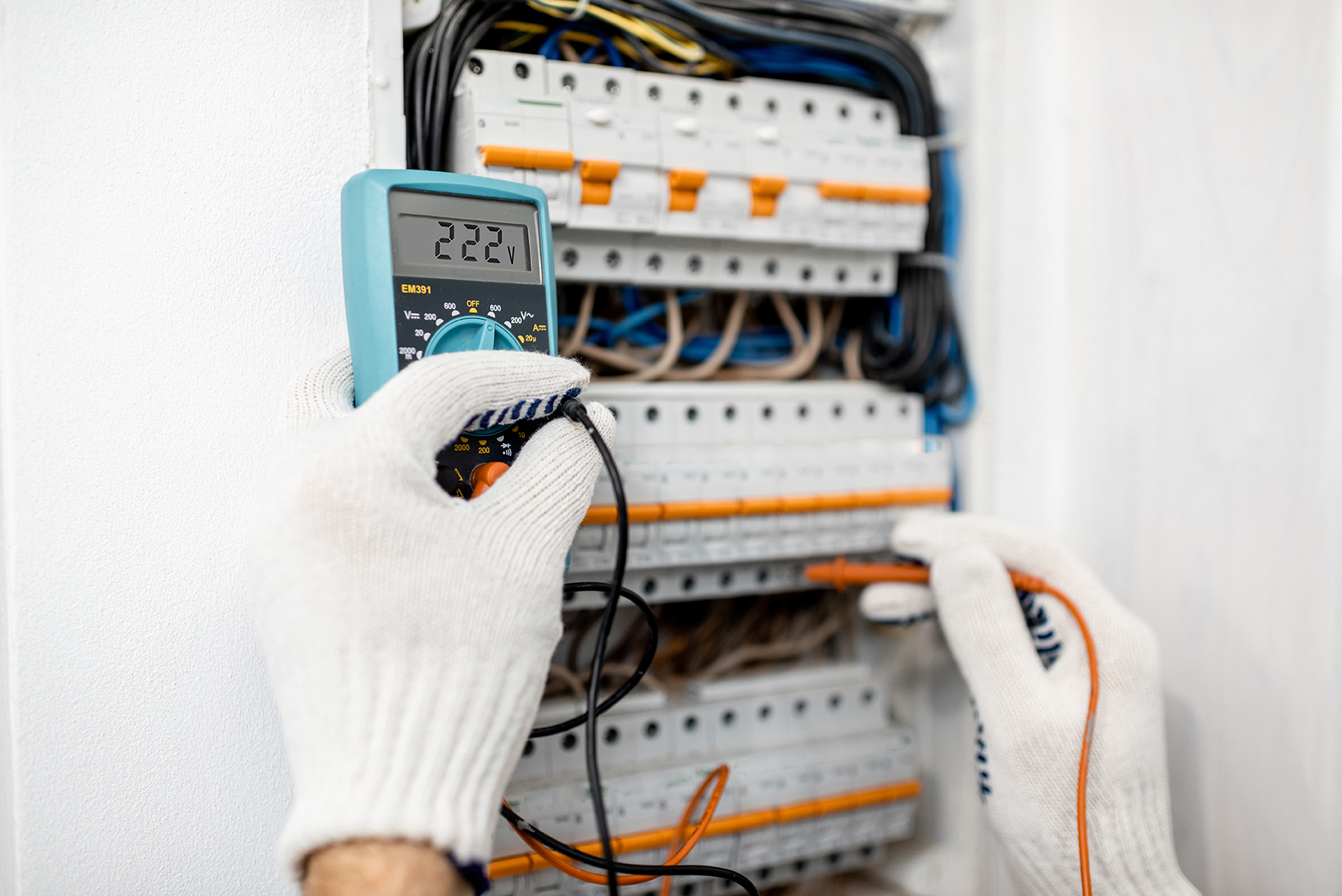
Homeowners usually experience different electrical issues that can affect safety and security and capability. Concerns like flickering lights and stumbled circuit breakers are more common than lots of realize. These situations can indicate much deeper electrical worries that warrant attention. Recognizing the dangers and indicators connected with outdated electrical wiring and dead electrical outlets is necessary. What measures can be required to protect against these problems? Exploring these usual electrical problems might reveal crucial understandings for maintaining a secure home setting.

Flickering Lights: Causes and Solutions
Why do some property owners experience flickering lights? Flickering lights can be an usual inconvenience, often suggesting underlying electrical problems. One key reason is malfunctioning or loose connections within lighting fixtures or circuitry, which can bring about periodic power supply. Furthermore, making use of high-wattage devices on the exact same circuit may cause voltage fluctuations, resulting in lowering or flickering. One more prospective problem is an overloaded circuit, where way too many tools attract power simultaneously, stressing the electric system. Furthermore, degraded or obsolete circuitry can add to irregular electric flow. In some situations, flickering lights may signal an issue with the home's electrical panel or service line. Property owners ought to address flickering lights quickly to stay clear of potential threats. Solutions might include tightening connections, rearranging device tons, or seeking advice from a certified electrical contractor for an extensive assessment. Identifying the source can aid ensure a secure and secure electrical system in the home.
Tripped Circuit Breakers: What You Required to Know
Have homeowners ever questioned what triggers their breaker to journey unexpectedly? This common concern frequently arises from an overload of electrical circuits, where too several tools draw power all at once. In such instances, the circuit breaker functions as a safety and security system, disrupting the circulation of electricity to avoid overheating and possible risks. An additional constant reason is a short circuit, which happens when a live cable calls a neutral cable, creating a rise of electrical energy that trips the breaker. Ground faults can likewise result in stumbled breakers; these happen when an online cord touches the ground or a grounded surface area, posturing major safety dangers. Home owners should consistently analyze their use of high-wattage devices to stay clear of overwhelming circuits. In addition, understanding the function of circuit breakers can help them respond suitably throughout a journey, guaranteeing their home remains risk-free and well-maintained.
Out-of-date Wiring: Indicators and Threats
Outdated wiring can present substantial threats to house owners, typically going unnoticed up until issues arise. Houses constructed prior to the 1980s might still have aluminum wiring or knob-and-tube systems, which are no more thought about risk-free. Indicators of out-of-date electrical wiring consist of flickering lights, regularly stumbled breaker, or melting scents near electrical outlets. These indicators might suggest that the electric system is loaded down or deteriorating.Additionally, home owners could see swelter marks around electrical outlets or switches, which can show overheating. The risk of electrical fires significantly increases with outdated circuitry, as these systems were not made to handle modern-day electric lots. Property owners are encouraged to have their electrical wiring examined frequently, especially when remodeling or adding brand-new devices. By acknowledging these signs early, they can avoid hazardous scenarios and preserve a safer living environment. Updating to present electric requirements is an aggressive action in preserving home safety and performance.
Frequently Blown Fuses: Troubleshooting Tips
Constant blown merges can indicate underlying electrical issues that may originate from out-of-date circuitry or overloaded circuits. Homeowners experiencing this issue must first identify the appliances linked to the influenced circuit. It is suggested to prevent using multiple high-wattage gadgets concurrently, as this can cause circuit overload. If the problem lingers, evaluating the fuse box for indications of wear or damage is essential; a faulty circuit box might require replacement.Additionally, looking for loose links within the circuit can assist avoid future events. Home owners ought to also verify that the integrates being used are of the proper amperage, this article as using an inaccurate fuse can intensify the trouble. Speaking with a certified electrical contractor is recommended to examine the electrical system better if these repairing pointers do not fix the issue. Resolving these concerns without delay can assist alleviate risks and assure the safety and security of the home's electrical framework.
Dead Outlets: Typical Reasons and Fixes
When a homeowner runs into a dead electrical outlet, it can commonly provide aggravation and confusion. A number of usual reasons may result in this issue. One constant culprit is a tripped circuit breaker, which can be conveniently reset. If any kind of breakers are in the off placement, property owners must check their electrical panel to inspect. An additional possibility is a malfunctioning outlet itself, which may require substitute. Furthermore, loose circuitry connections within the outlet can disrupt power circulation, making inspection essential.Sometimes, the trouble may come from an overloaded circuit, specifically when several tools are linked. In such situations, rearranging the electric lots can settle the problem. House owners should also consider the age of their wiring; older systems may need updates to satisfy contemporary electric needs. If these steps do not fix the scenario, consulting an accredited electrical contractor is a good idea to guarantee safety and security and proper medical diagnosis.
Electric Shocks: When to Be Worried
How can house owners figure out whether an electrical shock warrants issue? Home owners should first analyze the extent and context of the shock. A moderate fixed shock, frequently felt when touching metal items, is common and usually safe. If the shock happens while connecting with a plugged-in appliance or electrical outlet, it might show a more major issue.The place and frequency of the shocks are necessary. Repetitive shocks from the same source, especially in wet areas like shower rooms or kitchen areas, might signify faulty wiring or insufficient grounding. Property owners ought to also think about the experience of the shock; a shock that causes discomfort or contraction is more worrying than a plain tingle.If there's any type of unpredictability, it is suggested to get in touch with a qualified electrical contractor. Ignoring potential electrical threats can cause major security dangers, including fire or serious injury.
Overloaded Circuits: Avoidance and Precaution
Overloaded circuits present substantial threats in property setups, commonly causing electric fires or devices damages (Level 2 Electrician). Homeowners need to acknowledge the indicators of an overloaded circuit, such as often stumbled breakers or lowering lights. Applying preventative security techniques can assist minimize these risks and assure a much safer living setting
Recognizing Overloaded Circuits
What indications show that a circuit may be overwhelmed? Home owners ought to be alert for numerous essential signs. Regularly stumbled circuit breakers or blown fuses recommend excessive tons on the circuit. Dimming or flickering lights, click this link especially when various other devices remain in use, can symbolize a poor power supply. Additionally, outlets or buttons that feel warm to the touch may show overheating, a potential fire danger. Uncommon humming audios from outlets likewise call for focus, as they can indicate electrical issues. Lastly, if home appliances run inefficiently or fall short to begin, it may suggest an overloaded circuit. Recognizing these indicators early can help protect against serious electrical issues and advertise a safer home atmosphere.
Preventive Safety Practices
To maintain a safe and efficient electrical system, home owners have to implement preventative safety practices that address potential circuit overloads. One effective procedure is to prevent linking way too many devices to a single outlet, as this can go beyond the circuit's ability. Learn More Here Using power strips with integrated breaker can help disperse power safely. Property owners must likewise frequently examine cables and home appliances for damages and replace any kind of malfunctioning devices without delay. It is vital to guarantee that circuit breakers are functioning properly and to be mindful of the complete power level being made use of in each circuit. In addition, consulting a qualified electrical expert for regular evaluations can recognize possible concerns prior to they escalate, guaranteeing a much safer living setting and lengthening the life expectancy of electrical systems.
Frequently Asked Questions
How Commonly Should I Have My Electrical System Inspected?
Routine examinations of electrical systems are suggested every 3 to 5 years. Home owners need to think about much more constant checks if they experience issues, embark on remodellings, or reside in older residential or commercial properties to ensure safety and conformity.
Can I Deal With Electrical Troubles Myself or Employ a Specialist?
What Are the Signs of an Electric Fire Threat?
Signs of an electric fire risk consist of frequently tripped breaker, flickering lights, shedding smells, stained outlets, or warm, humming cables. Homeowners need to remain cautious and seek expert support if any of these signs exist.
How Do I Know if My Home Requirements an Electric Upgrade?
To establish if a home needs an electrical upgrade, indicators include regular circuit breaker trips, obsolete wiring, inadequate outlets, flickering lights, and the presence of older electric panels, suggesting prospective security risks and inefficiency.
Exist Details Security Tips for DIY Electric Job?
When thinking about DIY electric job, one must constantly transform off power, use protected devices, confirm circuit functionality, comply with regional codes, and seek advice from experts for intricate tasks to assure security and prevent accidents. An additional potential issue is an overloaded circuit, where too many gadgets draw power at the same time, straining the electric system. The risk of electric fires markedly enhances with obsolete electrical wiring, as these systems were not made to manage contemporary electric tons. Constant blown fuses can show underlying electric concerns that might stem from out-of-date wiring or overloaded circuits. To preserve a reliable and safe electrical system, homeowners need to implement preventative security practices that attend to potential circuit overloads. Accredited Service Provider Level 2 Electrician. Signs of an electric fire risk consist of regularly stumbled circuit breakers, flickering lights, melting smells, discolored outlets, or warm, humming cables